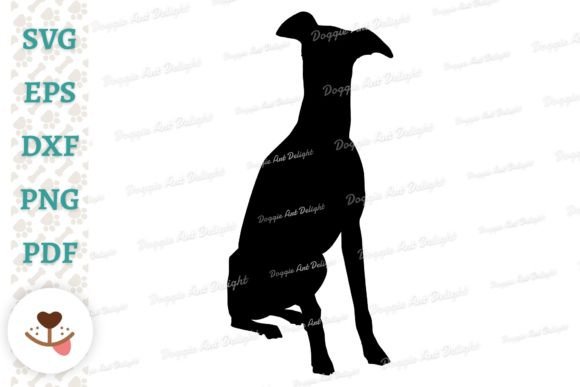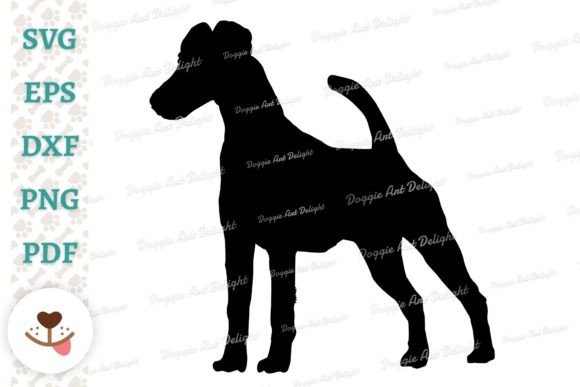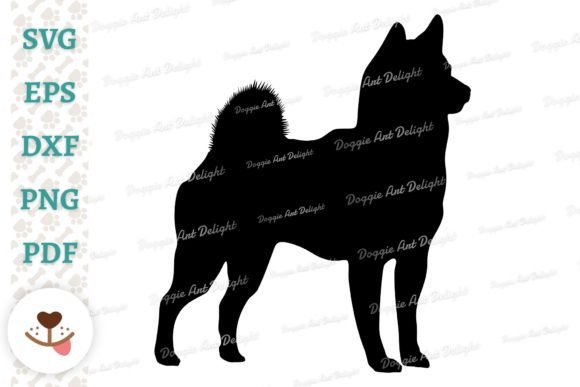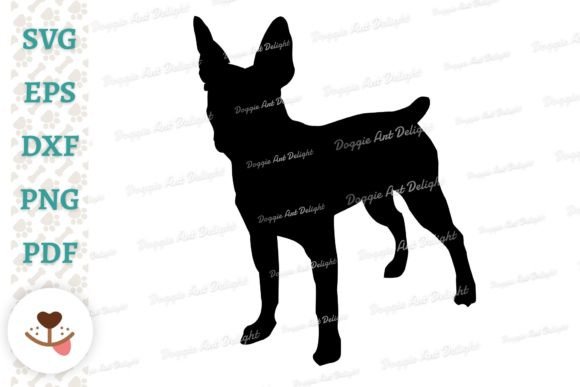
Running Boxweiler Dog Silhouette SVG PNG
A Designer’s First Look: Clean, Confident, and Instantly Recognizable
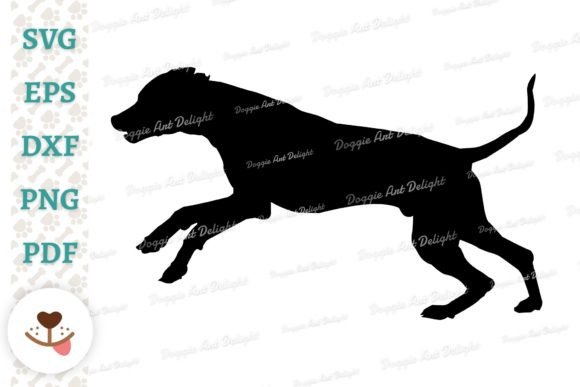
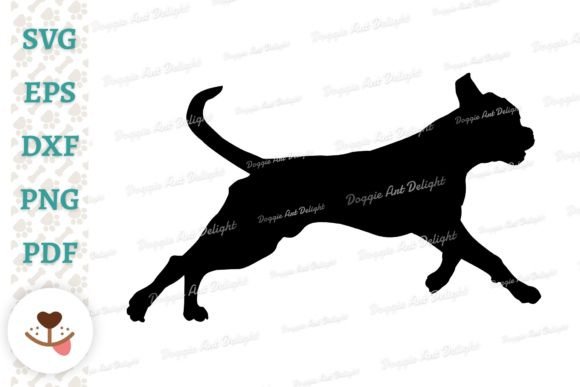
When I opened Running Boxweiler Dog Silhouette SVG PNG, my eye went straight to the silhouette’s posture—head up, ears forward, legs mid-stride. It doesn’t just suggest motion; it *embodies* energy and loyalty. As someone who’s digitized hundreds of pet designs for embroidery clients, I appreciate how deliberately uncluttered this graphic is. There are no interior details to overcomplicate stitching—just one smooth, continuous outline with subtle weight variation that hints at muscle and movement. That simplicity isn’t lazy design—it’s intentional craft. It reads clearly at 2.5 inches wide on a tote bag handle or 1.75 inches on a baby onesie chest. And yes, it feels like a real dog, not a cartoon cutout.
Where This Silhouette Shines in Real Embroidery Projects
I tested Running Boxweiler Dog Silhouette SVG PNG as the centerpiece for a custom embroidered cotton twill tote bag—intended for a local dog trainer’s boutique. The result? Crisp, confident, and instantly legible from three feet away. That’s rare. Many silhouettes collapse into muddy blobs when stitched, especially at smaller scales, but this one held its shape beautifully using a balanced mix of satin stitch for clean edges and light fill stitch in the body (just enough density to avoid transparency on light fabric, without risking puckering).
It also translated well onto a heavyweight cotton sweatshirt—no stabilizer blowout, no thread nesting. On baby bodysuits? Yes, with lightweight tear-away and reduced stitch count (I manually simplified the vector before digitizing). For embroidered patches? Absolutely—its bold contour makes it ideal for heat-applied or sew-on versions meant for jackets or backpacks. And because the silhouette leans slightly forward, it adds visual momentum to aprons, tea towels, and even nursery wall hangings made from linen-blend pillow covers.
Where to Proceed Thoughtfully
This isn’t a “drop-in-and-stitch” file for every scenario—and that’s okay. Running Boxweiler Dog Silhouette SVG PNG demands attention on textured or stretchy fabrics. On terry cloth towels or ribbed knit caps, I’d recommend converting it to an appliqué design with a clean border stitch, rather than relying solely on fill stitches. Tiny hoop sizes (under 3 inches) require careful scaling—those subtle curve transitions near the paws and tail can blur if shrunk too far. And on dark fabrics? Always test thread color contrast first: a charcoal gray thread may vanish on navy fleece, while bright white pops—but only if your stabilizer supports it without shadowing.
Also worth noting: the silhouette’s lean-forward stance looks dynamic on flat surfaces but can feel slightly unbalanced on highly curved items like baseball caps—especially when placed low on the front panel. In those cases, I’d rotate it 2–3 degrees upward or pair it with a small paw print anchor below for visual grounding.
What It Adds to Your Finished Product—Beyond Aesthetics
Using Running Boxweiler Dog Silhouette SVG PNG elevates perceived value. Customers recognize quality silhouette work—it signals intentionality, not clipart recycling. On Etsy listings, it helps handmade products stand out in search feeds where generic “dog design” terms drown out nuance. Buyers respond to authenticity: this isn’t a generic “boxer” or “rottweiler”—it’s a Boxweiler, with distinct breed blending in the head and build. That specificity builds trust with niche audiences: rescue groups, crossbreed owners, and trainers who appreciate accurate representation.
For craft businesses, it strengthens brand consistency across product lines—whether you’re selling embroidered kitchen towels *and* printable mockups for digital product sellers. Its clean vector foundation means it scales cleanly for both physical stitching and digital previews, making it versatile across Crafts and Graphics use cases.
Practical Notes Every Embroidery Designer Should Check
- Always test on scrap fabric first—especially if pairing with a new stabilizer or thread brand.
- Review stitch density in your embroidery software: aim for 10–12 stitches per mm on outlines, and reduce fill density by 15% for lightweight fabrics.
- Confirm hoop size compatibility—this design works best in 4×4” and larger hoops for full clarity; smaller hoops will need manual simplification.
- Inspect small details in your digitizing preview: check corner sharpness at the ear tips and tail tip—these areas often need slight smoothing to prevent needle hesitation.
- Test black-and-white mockups before finalizing: does it read equally well on heather grey vs. oatmeal linen? Contrast matters more than style.
- Use appropriate stabilizer—cutaway for knits, tear-away for stable wovens, and fusible + tear-away combo for lightweight baby fabrics.
- Verify licensing: since this is a digital embroidery file from Doggie Art Delight Studio, confirm whether commercial use (e.g., selling finished embroidered tote bags or digital bundles) is permitted before listing on Etsy or at craft fairs.
Final Thought: A Workhorse Silhouette With Personality
Running Boxweiler Dog Silhouette SVG PNG isn’t flashy—but it doesn’t need to be. It’s the kind of design that disappears into your product just enough to feel native, yet holds its own with quiet authority. It’s equally at home on a holiday gift towel for a Boxweiler owner as it is on a small shop’s branded apron for a dog-friendly café. As a designer, I reach for it when I want reliability *and* character—not just another machine embroidery design, but one that quietly tells a story customers feel, even if they can’t name why. That’s the mark of thoughtful design—and why this belongs in your working library of embroidery project assets.