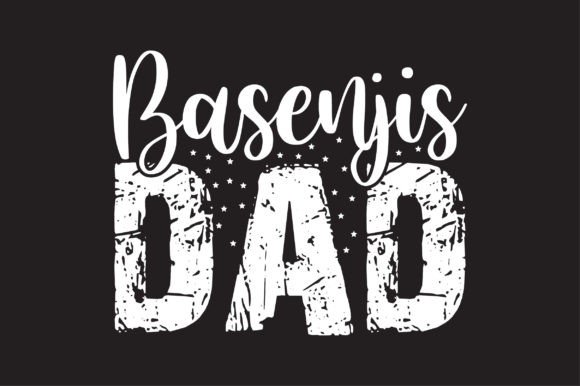
Basenjis Dad Dog Lover SVG Design
A Designer’s First Look: Friendly, Focused, and Full of Personality
When I opened Basenjis Dad Dog Lover SVG Design, my first thought wasn’t “cute”—it was “clear.” The composition balances bold, confident lettering with a stylized basenji silhouette that feels intentional, not cluttered. There’s no over-rendered fur or excessive line work—just clean contours, smart negative space, and a subtle nod to the breed’s alert, elegant posture. As an embroidery designer who’s stitched hundreds of pet-themed files, I appreciate how this design avoids visual noise. It reads instantly at 3–4 inches wide—the sweet spot for tote bags, sweatshirt chests, and baby onesies. That clarity translates directly into stitch confidence: fewer thread breaks, cleaner satin stitch edges, and better readability after washing.
Where This Design Shines in Real Embroidery Projects
I recently used Basenjis Dad Dog Lover SVG Design to create a limited-run embroidered tote bag for a local dog rescue’s Father’s Day fundraiser. We stitched it on medium-weight canvas with a tear-away + cut-away stabilizer combo—and it held up beautifully. The design’s moderate stitch density kept the fabric from puckering, and the lettering stayed crisp even on the slightly textured surface. It also worked well as a centered chest embroidery on unisex cotton sweatshirts: the proportions flattered the garment shape without overwhelming it. For Etsy sellers or small shop owners, this is a strong candidate for personalized gifts—think baby blankets (with simplified fill stitch), nursery wall hangings, or even embroidered patches for dad-themed aprons or caps. Its warmth and specificity make it feel handmade, not mass-produced.
Why It Fits So Well With Handmade Product Goals
- Emotional resonance matters more than complexity. Buyers aren’t searching for technical showstoppers—they’re looking for pieces that say something true. Basenjis Dad Dog Lover SVG Design delivers that quietly, with authenticity.
- It scales cleanly. Whether stitched at 2.5" for a tea towel monogram or 5" for a pillow cover, the core shapes hold their integrity. No pixelation, no fuzzy corners—especially important when using the included high-res PNG for printable mockups or digital product previews.
- It supports brand consistency. If you sell curated dog-lover collections (think holiday embroidery kits or boutique baby bundles), this design reinforces a cohesive, thoughtful aesthetic—no frantic rebranding needed.
Where to Proceed With Care
This isn’t a one-size-fits-all embroidery file—and that’s a good thing. Its charm lies in its focus, but that means some contexts need extra attention:
- Small hoop sizes (under 4"): The full phrase may feel cramped. Consider using just the basenji icon or initials (“BD” + paw) for caps or toddler hats.
- Stretchy or thin fabrics: Like lightweight knits or baby rib, where stabilizer choice becomes critical. A light cut-away helps prevent distortion around the lettering curves.
- Dark or textured backgrounds: Test thread colors carefully. A soft charcoal gray works better than pure black on navy sweatshirts; metallic gold thread lifts the design nicely on cream tea towels.
- Dense stitch areas: While not overly dense, the basenji’s head and collar region do carry more fill stitch. On loosely woven fabrics like linen, reinforce those zones with an additional layer of stabilizer.
Design Assets That Earn Their Place in Your Workflow
As a craft business owner and embroidery product reviewer, I judge files by how they behave—not just how they look on screen. Basenjis Dad Dog Lover SVG Design includes EPS, SVG, PNG (4500×5400 at 300 dpi), and JPEG—making it flexible across platforms. The SVG works cleanly in Embrilliance and Wilcom for digitizing adjustments; the high-res PNG is perfect for creating polished Etsy listing mockups or social media previews. But remember: these are digital embroidery files meant for real-world use. Before listing a finished product—or selling the design itself—verify licensing terms. Not all SVGs include commercial rights, and Crafts and Graphics categories vary widely in usage allowances.
Practical Notes Every Embroidery Designer Should Run Through
- Test the design on scrap fabric *first*—especially if stitching on curved surfaces like caps or layered garments like hoodies.
- Review stitch density visually in your embroidery software. Adjust underlay if needed for stability on stretchy or delicate fabrics.
- Confirm hoop size compatibility. Some versions may require a 5×7 hoop minimum—check before loading onto your machine.
- Inspect small details: the basenji’s ear tip and the “Dad” serif endings should remain distinct at your target size.
- Try black-and-white mockups. Does the contrast hold? Will it read clearly on both light and dark apparel?
- Use proper stabilizer—never skip this step for custom apparel or personalized gifts where durability matters.
- Ask: does this support both personal projects *and* commercial embroidery? Confirm license scope before selling finished items or bundling as design assets.
Final Thought: It’s Not Just a Design—It’s a Conversation Starter
At a craft fair last month, a customer paused at our booth, pointed to a sample embroidered on a canvas apron, and said, “That’s my husband. He talks to our basenji like she’s his co-pilot.” That’s the quiet power of Basenjis Dad Dog Lover SVG Design. It doesn’t shout—it connects. For Etsy sellers building loyal followings, for small shops curating heartfelt merchandise, and for designers choosing embroidery files that reflect care and craft: this one earns its place. It’s not flashy. It’s focused. And in the world of handmade product and custom apparel, that focus is exactly what builds trust, recognition, and repeat buyers.